The recognition of Indigenous midwives is a matter of health, human rights, and social justice. Valuing their knowledge and strengthening their cooperation with health systems can help improve access to care and preserve the cultures and traditions of their communities.
Celebrated on August 9, the International Day of the World’s Indigenous Peoples honors the exceptional richness of Indigenous peoples’ knowledge, cultures, and traditions, while also highlighting the persistent challenges they face.
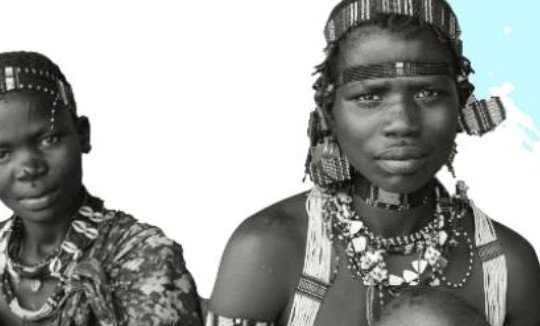
At the heart of their communities, Indigenous midwives are much more than healthcare providers: they are guardians of ancestral knowledge and pillars of community health. Yet their essential role continues to face discrimination and barriers within conventional healthcare systems, hindering the recognition of their practices and access to culturally appropriate care.
According to UN data, Indigenous peoples number approximately 476 million across 90 countries—less than 6% of the world’s population, but nearly 15% of the world’s most marginalized people. They are distinguished by their great cultural and linguistic diversity, with more than 5,000 cultures and a presence in the majority of the approximately 7,000 languages spoken worldwide.
Despite this diversity, they share, in particular, a deep attachment to their lands, territories, and natural resources, as well as a commitment to preserving their values, ways of life, and systems of organization. However, they continue to face discrimination and violations of their fundamental rights.
The International Day of the World’s Indigenous Peoples thus provides an opportunity to raise awareness of the rights and needs of Indigenous peoples, to value their traditional knowledge, and to promote their inclusion, so that no one is left behind.
Beyond the symbolic recognition of Indigenous midwives, this International Day underscores the need to better integrate traditional knowledge into public health policies, while respecting human rights and medical standards. For ADH, the recognition of these practices must be accompanied by concrete measures: training and support for Indigenous midwives, combating discrimination, improving access to healthcare services, and ensuring the effective participation of communities in decisions that affect them. The preservation of traditional knowledge should therefore not be considered solely a cultural issue, but also a matter of public health, dignity, and inclusive development.
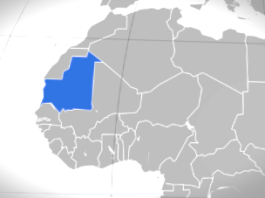
The African Context
In Africa, these issues take on particular importance, given the diversity of Indigenous communities and the persistence of significant inequalities in access to healthcare, especially in rural and remote areas. In many communities, traditional birth attendants and midwives still play a vital role in supporting pregnant women, particularly when medical facilities are far away or difficult to access. However, their contribution often remains insufficiently recognized by official health systems. Improved cooperation between health services, local authorities, and holders of traditional knowledge could help improve access to maternal care while preserving cultural practices compatible with health and safety standards. For ADH, the challenge is therefore to foster dialogue between traditional knowledge and modern medicine in order to reduce inequalities and guarantee women, including those in the most marginalized communities, dignified and safe access to care.