The crisis in the Middle East extends beyond the military sphere, with direct repercussions for African economies and populations. Rising energy, fertilizer, and food prices, combined with disruptions to shipping routes and risks to remittance flows, can exacerbate existing economic and social vulnerabilities. These effects particularly threaten food security, purchasing power, and access to economic and social rights for the most vulnerable populations.
Although geographically distant from Africa, the conflict between Iran and the United States is already affecting several African economies. Disruptions to strategic maritime routes, particularly around the Strait of Hormuz and the Red Sea, are contributing to higher energy and transportation costs and putting additional pressure on the prices of certain raw materials. Analyses by the United Nations Economic Commission for Africa (ECA) and the African Development Bank (AfDB) indicate that geopolitical tensions and their impact on energy prices, food costs, and global trade are intensifying inflationary pressures and worsening the budgetary constraints already facing many African economies.
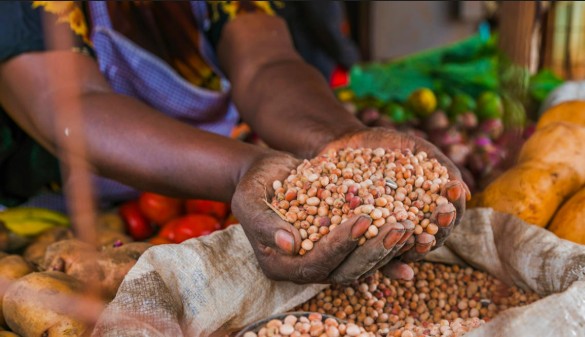
The agricultural sector is particularly exposed to these disruptions. According to the African Development Bank, approximately 80% of fertilizers used in sub-Saharan Africa are imported, while a significant share of fertilizer supplies used by African countries originates in or transits through the Persian Gulf region. Consequently, disruptions to trade routes and rising transportation and fertilizer costs could affect agricultural production cycles, reduce productivity, and increase the risk of food insecurity.
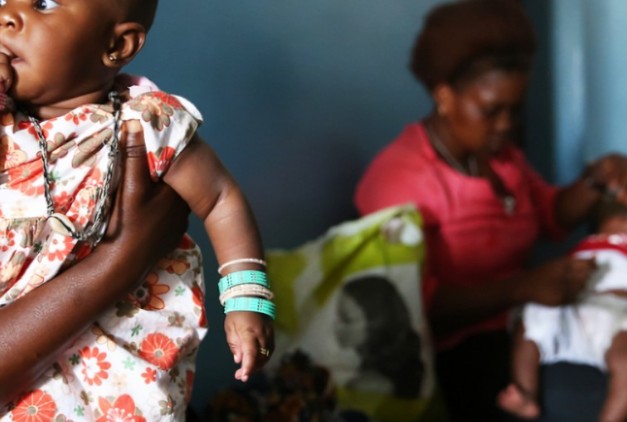
For the most vulnerable populations, these shocks translate into higher prices for food and other essential goods, directly affecting purchasing power and living conditions. The social consequences also extend beyond Africa’s borders. Millions of African workers live and work in the Persian Gulf countries, providing financial support to their families back home. Disruptions to economic activity in the region could reduce remittance flows, which are primarily used to cover food, housing, education, and healthcare costs. Such developments could therefore directly affect the economic and social rights of many African families.
Security concerns are equally pressing in the Horn of Africa. Djibouti, Eritrea, Ethiopia, Somalia, and Sudan are directly exposed to security risks linked to the Red Sea and the Gulf of Aden, areas that are central to strategic international trade routes. Attacks on vessels, the risk of renewed piracy, and broader regional instability could further disrupt maritime trade and exacerbate vulnerabilities in a region already affected by conflict, population displacement, and significant socio-economic fragility.
The US-Iran conflict serves as a reminder that African populations can become indirect victims of conflicts taking place far beyond the continent. Rising energy and food prices, potential declines in remittance flows, and growing pressure on public budgets can undermine access to essential rights, including food, healthcare, education, housing, and decent work.
The African response, therefore, should not be limited to economic measures. It must also be social and grounded in human rights, with a focus on protecting the most vulnerable populations and strengthening the continent’s food security, social protection systems, and energy resilience. Building greater economic and strategic resilience is essential to reducing Africa’s exposure to external shocks and ensuring that populations do not bear the social and human costs of conflicts beyond their borders.